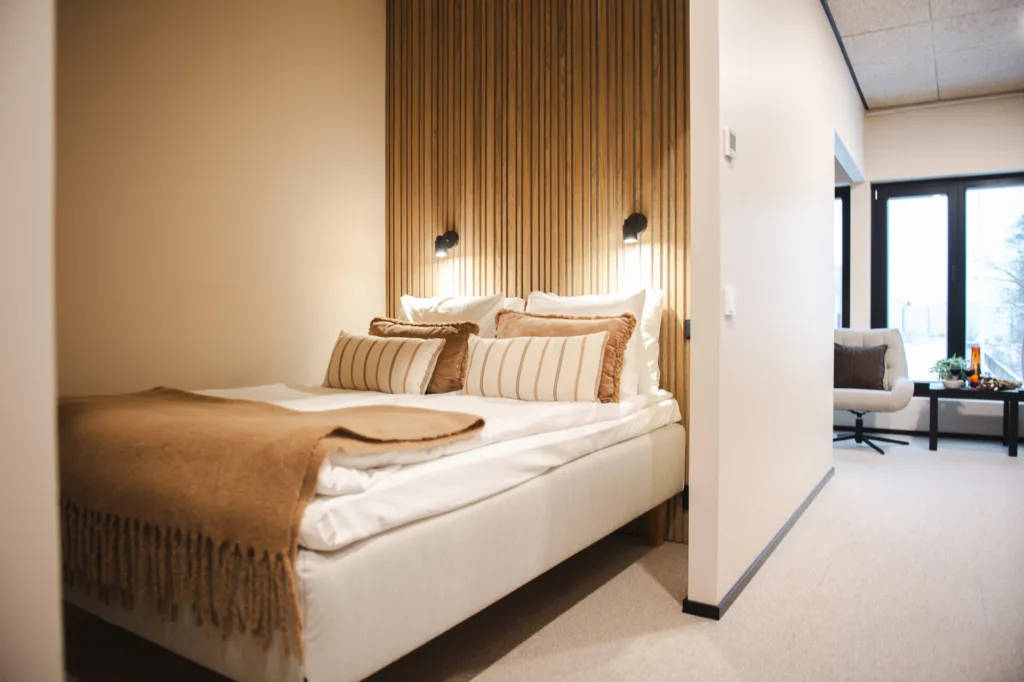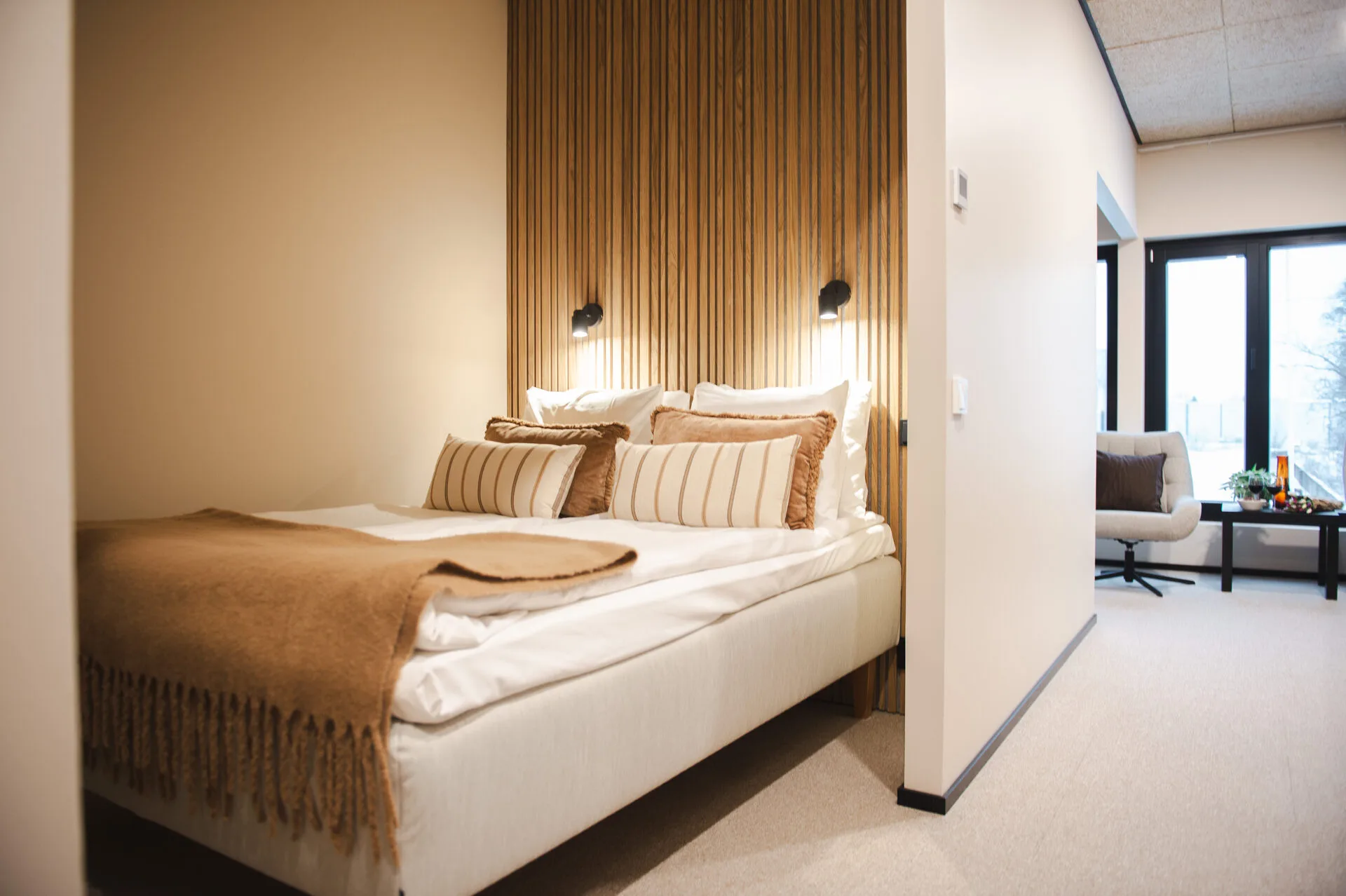
Modern hotel rooms for business travelers in 2026 offer far more than a bed and a desk. Today’s business travel accommodation combines high-speed connectivity, ergonomic workspaces, wellness facilities, and flexible layouts designed to support both productivity and recovery. Whether you’re on a short project assignment or an extended stay, the right hotel room can meaningfully affect your performance and well-being on the road.
What amenities do business travelers prioritize most in a hotel room?
Business travelers prioritize reliable high-speed Wi-Fi, a dedicated workspace, quality sleep infrastructure, and easy access to food preparation or dining options. These four pillars consistently rank above luxury extras because they directly affect a traveler’s ability to work effectively and recover properly between demanding days.
Beyond the basics, modern hotel amenities for business guests increasingly include private kitchenette areas or access to a shared kitchen, which reduce reliance on expensive restaurant meals during longer stays. Blackout curtains, premium mattresses, and strong sound insulation are no longer optional extras; they are baseline expectations for any serious business travel accommodation. Storage space, multiple power outlets, and USB charging points throughout the room also rank high among frequent travelers who carry multiple devices.
What separates a good business hotel from a great one is attention to detail. Clean air, quiet corridors, and responsive staff matter more than flashy lobby design when you have an early morning meeting and a full day ahead.
How has hotel room technology changed for business guests?
Hotel room technology for business guests has shifted from novelty features to practical tools that remove friction from daily work routines. In 2026, smart room controls, seamless device connectivity, and integrated communication systems are standard expectations rather than premium upgrades.
Keyless entry via smartphone apps has become widespread, allowing guests to bypass the front desk entirely on arrival. In-room screens now double as external monitors for laptops, and many hotels offer preconfigured Wi-Fi networks that automatically prioritize bandwidth for video calls. Smart thermostats and automated lighting that adjust to sleep and wake schedules reflect how hotels are using technology not just for convenience but to actively support guest performance.
For business travelers on extended assignments, the ability to control room settings, request services, and communicate with hotel staff through a single app reduces the small daily frictions that accumulate into real fatigue over a long trip.
Why do business travelers increasingly choose hotels with fitness facilities?
Business travelers increasingly choose hotels with fitness facilities because regular exercise is a proven tool for managing the stress, disrupted sleep, and sedentary hours that define heavy travel schedules. Access to a quality gym removes the need to find and pay for an external facility, saving both time and money during a trip.
The link between physical activity and cognitive performance is well established. A morning workout before a full day of meetings can sharpen focus, regulate mood, and improve sleep quality, all of which directly affect professional output. For travelers spending multiple nights or weeks in one location, having gym access included in the room rate becomes a genuine differentiator when choosing accommodation.
At Wasto Inn, we include access to our 1,700 m² Ole.fit gym in every room rate, which means business guests never have to choose between staying fit and staying on budget. For project workers and longer-stay guests in particular, this kind of built-in wellness infrastructure makes a significant difference to how they feel and perform throughout an assignment.
What’s the difference between a standard hotel room and a serviced apartment for business travel?
A standard hotel room provides a self-contained sleeping and working space with daily housekeeping and on-site services, while a serviced apartment offers more living space, a full kitchen, and greater independence, making it better suited to stays of a week or longer. The right choice depends on trip length, work style, and the level of independence the traveler needs.
Standard hotel rooms suit short-stay business travelers who benefit from hotel services like room service, concierge support, and structured check-in and check-out. Serviced apartments appeal to project workers, relocating employees, or anyone on a multi-week assignment who wants to cook their own meals, spread out across a living area, and maintain a more home-like routine.
Some modern hotels now bridge this gap by offering rooms with private kitchenette corners and shared kitchen access alongside full hotel services, combining the flexibility of apartment living with the convenience of hotel infrastructure. This hybrid model is increasingly popular among business travelers who want the best of both formats without committing to a fully self-managed apartment.
How do hotel locations affect productivity for business travelers?
Hotel location affects business traveler productivity by determining commute time to meeting venues, access to transport links, proximity to dining options, and the mental ease of navigating an unfamiliar city. A poorly located hotel can add hours of wasted time to a trip, while a well-positioned one keeps the working day efficient and manageable.
Proximity to a city’s commercial district, key clients, or project sites reduces travel stress and preserves energy for actual work. Easy walking access to restaurants, cafes, and everyday services also matters for longer stays, where the cumulative cost of taxis and time spent navigating adds up quickly.
For business travelers visiting Kokkola, a central location near the city’s historic Neristan district and main transport routes makes a meaningful difference. Wasto Inn sits in Kokkola’s Mesilä area, placing guests within easy reach of the city’s key business and cultural points, including the charming wooden house district of the old town just a short walk away.
What should business travelers look for when booking a hotel in 2026?
When booking a hotel in 2026, business travelers should look for reliable high-speed internet, an ergonomic workspace, quality sleep conditions, flexible check-in options, fitness access, and a location that minimizes unnecessary travel time. These factors have a direct impact on both work performance and personal well-being during a trip.
Beyond the core checklist, consider the following when evaluating business travel accommodation:
- Room capacity and layout: If you’re traveling with a team, rooms that accommodate multiple guests reduce costs and simplify logistics.
- Kitchen access: Private kitchenette corners or shared kitchen facilities make longer stays significantly more comfortable and cost-effective.
- Wellness infrastructure: On-site gym access included in the room rate adds genuine value without extra expense.
- Noise and air quality: Sound insulation and good ventilation directly affect sleep quality, which affects everything else.
- Flexible stay options: Hotels that cater to both short and extended stays offer more useful terms for project-based travel.
- Personal service: Attentive, responsive staff reduce the friction of being away from home for extended periods.
The best modern hotel rooms for business travelers are those designed around how people actually work and live on the road, not around what looks impressive in marketing photos. In 2026, the standard has risen considerably, and business travelers are right to expect accommodation that actively supports their performance rather than simply providing a place to sleep.
Related Articles
- Why do soundproofing and air quality matter in hotel accommodation?
- How does a fitness hotel differ from a hotel that simply has a gym?
- What should you ask a hotel before making a long-term booking?
- How does a fitness hotel in Kokkola combine work and wellbeing?
- Can a fitness hotel accommodate a group of up to four guests per room?