Before making a long-term hotel booking, ask what the rate includes, how flexible the cancellation terms are, what amenities are available for extended stays, and whether the sleep environment meets your standards. These questions protect you from hidden costs and ensure the accommodation genuinely supports daily life over weeks or months. The sections below walk through each of these questions in detail so you can book with confidence.
What’s included in a long-term hotel rate?
A long-term hotel rate typically covers the room itself, but what else is bundled in varies significantly between properties. Before committing to an extended stay hotel, always confirm whether the rate includes Wi-Fi, cleaning services, linen changes, parking, breakfast, and access to on-site facilities like a gym or sauna. Surprises on the final invoice are common when guests assume too much.
At Wasto Inn, for example, access to the 1,700 m² Ole.fit gym is included in the room price, a meaningful saving for guests staying several weeks. Some hotels also offer access to shared kitchens or in-room kitchenettes as part of a long-stay package, which can reduce daily food costs considerably. Always ask for a written breakdown of what the rate covers before signing anything.
It is also worth asking whether weekly or monthly rates come with adjusted service levels. Some hotels reduce daily housekeeping for longer bookings but offer a weekly deep clean instead. Knowing this upfront lets you decide whether the trade-off works for your lifestyle.
How flexible are cancellation and contract terms for extended stays?
Cancellation and contract terms for extended stays are often stricter than those for short bookings, so it is essential to read them carefully before you commit. Many hotels require longer notice periods, sometimes 30 days or more, for cancellations on monthly rates, and some charge a penalty equivalent to one or two weeks of accommodation if you leave early.
Ask specifically whether the contract allows for early departure without a full penalty, especially if your project timeline or work assignment is uncertain. For business travellers and project workers, this flexibility can be the deciding factor between two otherwise similar properties.
Also clarify whether the rate is locked in for the duration of your stay or subject to change. A written confirmation of the agreed price protects you if the hotel adjusts its pricing mid-stay. If you are booking for a team or a company, ask whether a corporate agreement is available, as these often come with more favourable terms on both price and flexibility.
What amenities matter most for a stay of several weeks or months?
For a stay lasting several weeks or months, the amenities that matter most are those that support daily routines: a reliable kitchen or cooking area, fast and stable Wi-Fi, laundry facilities, and space to work or relax comfortably. Gym access also becomes significantly more important the longer you stay, since maintaining physical health directly affects productivity and wellbeing.
Beyond the basics, consider whether the hotel offers communal spaces where you can decompress away from your room, and whether there is outdoor access nearby. A fitness hotel that integrates wellness into the stay, rather than offering it as an expensive add-on, is particularly well suited to long-term guests.
Think practically about storage too. Rooms designed for short stays often lack wardrobe space and drawer capacity for a month’s worth of belongings. Ask whether the room has been designed with longer occupancy in mind, and whether there is a safe or secure storage option for valuables.
How do you verify the quality of the sleep environment before committing?
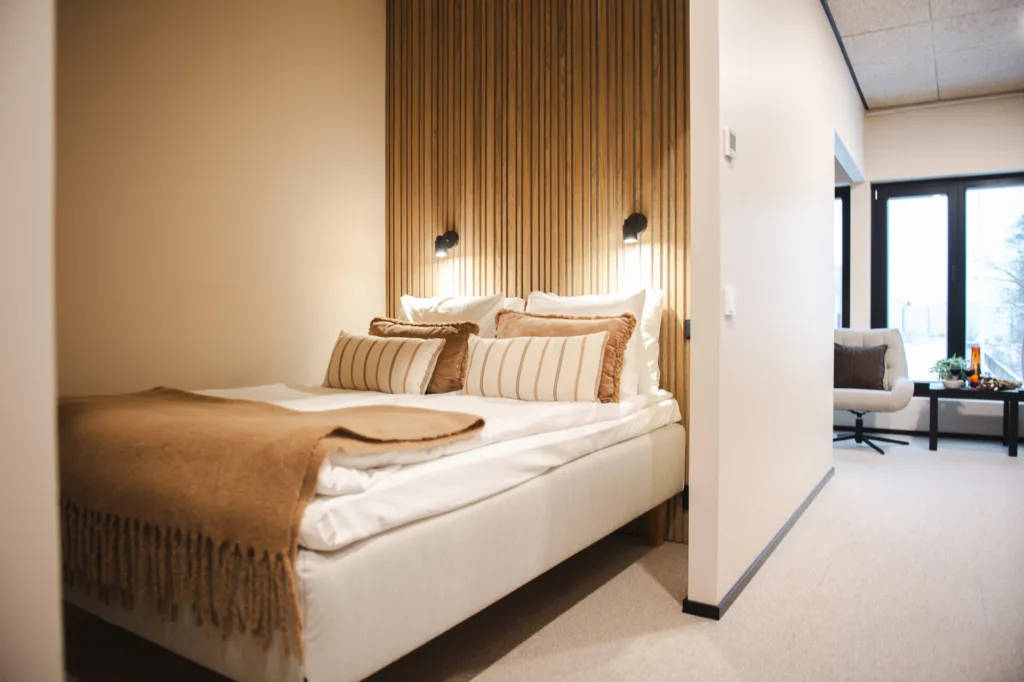
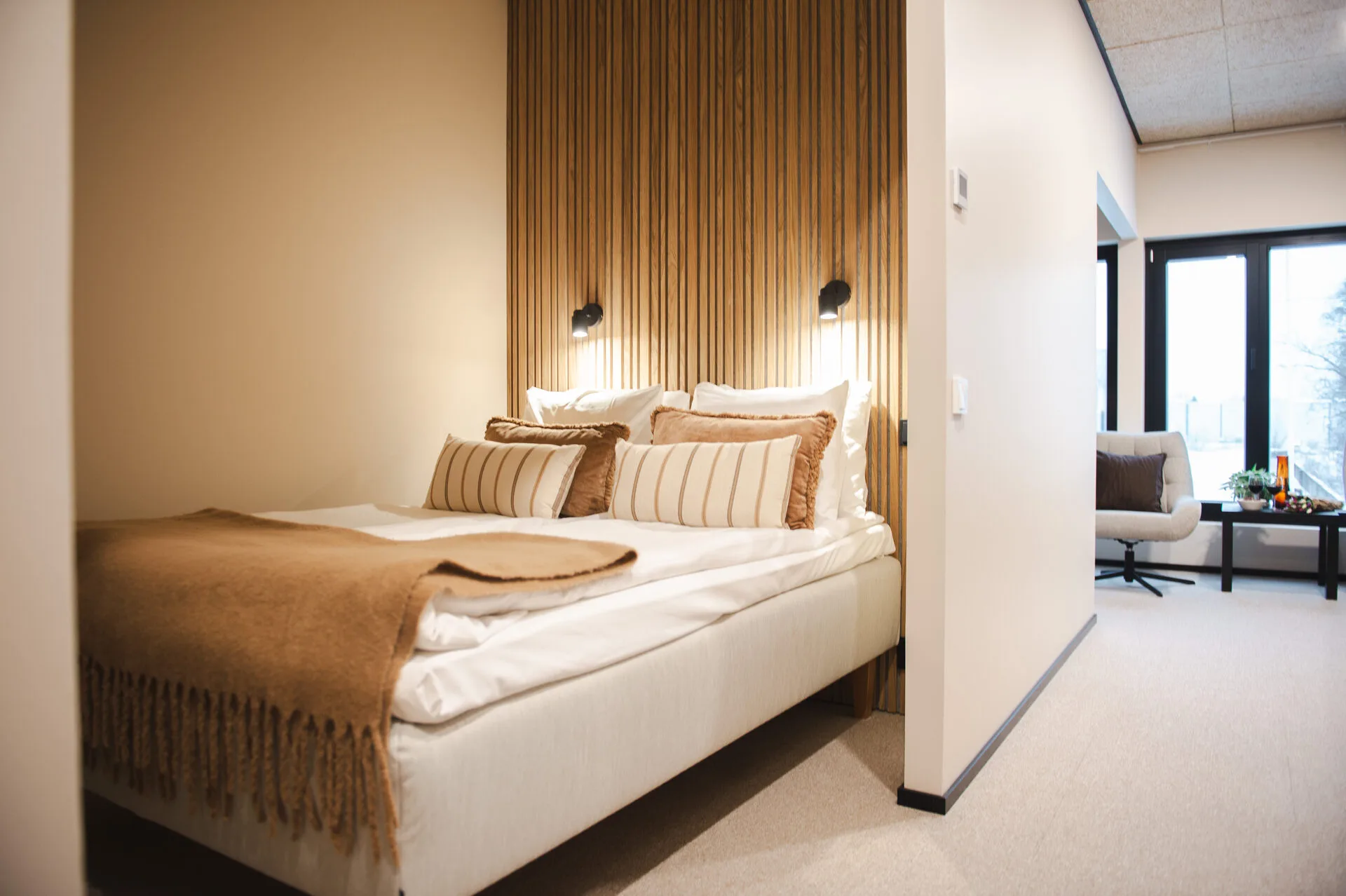
To verify sleep quality before committing to a long-term booking, ask the hotel directly about mattress quality, soundproofing between rooms and from street noise, blackout curtain availability, and air quality or ventilation systems. A single poor night’s sleep is tolerable; weeks of disrupted rest are not.
Request a one-night trial stay if possible before signing a longer agreement. This gives you direct experience of the actual room rather than relying on photos or descriptions. If a trial stay is not practical, ask whether you can view the specific room type you will be booking, not just a show room.
At Wasto Inn, the accommodation philosophy centres on the idea that quality rest is the foundation of a successful trip. This means deliberate attention to bed quality, room soundproofing, and air circulation, considerations that matter far more over a month than over a weekend. When speaking to any hotel, listen for whether they can speak specifically to these details or only offer vague reassurances.
What should you ask about location and nearby services?
When evaluating location for a long-term hotel stay, ask about walking distance to supermarkets, pharmacies, public transport, and any work sites or offices you will need to reach regularly. A convenient location for a weekend trip may become genuinely inconvenient over several weeks if daily errands require a car or a long commute.
Also consider what the surrounding area offers for leisure. Access to parks, restaurants, and cultural attractions makes a long stay feel less confined. In Kokkola, for instance, the historic Neristan old town with its wooden building quarter is just a few minutes’ walk from Wasto Inn, a detail that adds real quality to daily life for guests staying long-term.
Ask whether parking is available and at what cost if you are travelling by car, and whether the hotel is easily accessible by public transport for guests arriving without a vehicle. These practical details shape the rhythm of an extended stay far more than most guests anticipate when booking.
When is a serviced apartment a better choice than a hotel room?
A serviced apartment is generally a better choice than a hotel room when your stay exceeds two to three weeks, when you need to cook regularly, when you are travelling with colleagues or family, or when you require more living space to maintain a normal daily routine. Hotel rooms are designed for short occupancy and can feel restrictive over longer periods.
The key advantages of a serviced apartment for long stays include a full kitchen, separate living and sleeping areas, and more storage space. These features reduce the cost and inconvenience of eating out every day and give you a genuine home base rather than a place to sleep between work shifts.
That said, a well-designed extended stay hotel room, particularly one with kitchenette access, shared cooking facilities, and strong on-site amenities, can offer the best of both formats. The question to ask is not simply “hotel or apartment?” but whether the specific property has been genuinely designed to support long-term living. Ask to see the kitchen facilities, confirm laundry access, and check whether the room layout allows for comfortable working as well as sleeping.
Related Articles
- How does a fitness hotel in Kokkola combine work and wellbeing?
- When is a fitness hotel a better choice than renting an apartment?
- Why does gym access matter when booking a business hotel stay?
- What is an aparthotel and how does it differ from a traditional hotel?
- Can a fitness hotel accommodate a group of up to four guests per room?