A fitness hotel differs from a regular hotel with a gym in one fundamental way: fitness is central to the entire experience, not an afterthought. Where a standard hotel might offer a small room with a treadmill and a few weights, a fitness hotel integrates professional-grade training facilities, recovery amenities, and an active lifestyle philosophy into every aspect of the stay. Below, we answer the most common questions people ask when comparing their options.
What makes a fitness hotel different from a regular hotel?
A fitness hotel is purpose-built around physical activity and wellbeing, whereas a regular hotel simply accommodates guests who happen to want to exercise. The difference shows up in facility quality, room design, staff expertise, and the overall atmosphere. At a fitness hotel, the gym is not a perk, it is a core part of the product.
In practice, this means the training space is large, well-equipped, and professionally maintained. Room design supports recovery, with attention paid to sleep quality, air quality, and noise insulation. The guest profile also shapes the environment: you are surrounded by other guests who prioritize an active routine, which creates a noticeably different energy compared to a conventional hotel.
At Wasto Inn in Kokkola, for example, guests have direct access to a 1,700 m² Ole.fit gym from their rooms, a scale of fitness provision that goes well beyond what any standard hotel gym can offer.
What types of fitness facilities should a fitness hotel have?
A genuine fitness hotel should offer significantly more than cardio machines and a rack of dumbbells. The facilities should support a full training routine, including strength work, cardiovascular conditioning, flexibility, and recovery, all within the property itself.
Key facilities to look for include:
- A large, professionally equipped gym with free weights, machines, and functional training areas
- Dedicated spaces for stretching, mobility, or group classes
- Sauna and recovery amenities
- Swimming pool or hydrotherapy options where available
- Spa or treatment services for deeper recovery
The size and variety of equipment matters. A fitness hotel should be able to accommodate serious athletes and casual gym-goers alike without either group feeling cramped or underserved. We are expanding our own offering in 2026 with a new aparthotel concept that adds a spa, sauna suite, and indoor swimming pool alongside the existing gym, raising the standard for fitness amenities in Kokkola.
Is gym access included in the room price at a fitness hotel?
At a true fitness hotel, gym access is included in the room price. This is one of the clearest distinctions from a regular hotel, where gym use often carries an additional daily fee. Bundling gym access into the rate reflects the hotel’s identity: fitness is not an optional extra, it is part of what you are paying for.
This matters practically because it removes the mental friction of deciding whether to use the gym each day. Guests can train as often as they like without watching costs add up. At Wasto Inn, gym access to the 1,700 m² Ole.fit facility is included in every room rate, with no hidden charges or time restrictions.
Who benefits most from staying at a fitness hotel?
Fitness hotels suit anyone who does not want their training routine to suffer while travelling. The guests who benefit most are those for whom regular exercise is a non-negotiable part of daily life, not an occasional activity.
This typically includes:
- Business travellers and project workers on extended stays who need to maintain fitness and manage stress during demanding work periods
- Athletes and serious gym-goers who require proper equipment rather than a token hotel gym
- Leisure travellers who want to combine a holiday with an active lifestyle without compromising on either
- Long-stay guests who are effectively living out of a hotel for weeks or months and want a setup that supports their full daily routine
Our hotel rooms accommodate up to four guests and include private kitchen corners and access to a shared kitchen, making them well suited to project teams and professionals on longer assignments who want both comfort and consistent access to training.
What’s the difference between a fitness hotel and a wellness resort?
The key distinction is emphasis: a fitness hotel prioritises active training and physical performance, while a wellness resort focuses on relaxation, restoration, and holistic health. Both value wellbeing, but they approach it differently and attract different types of guests.
A wellness resort typically centres on spa treatments, meditation, therapeutic programmes, and guided relaxation. Physical activity may be offered, but it is usually gentle: yoga, light stretching, guided walks. A fitness hotel, by contrast, centres on structured training with professional equipment, and recovery amenities like saunas and pools support that training rather than replace it.
In practice, the best fitness hotels are beginning to bridge this gap. A property that combines serious gym facilities with spa services, sauna suites, and swimming pools offers the active training environment of a fitness hotel alongside the restorative depth of a wellness resort, giving guests the full spectrum of physical wellbeing in one place.
How do you choose the right fitness hotel for your stay?
Choosing the right fitness hotel comes down to matching the property’s actual facilities and philosophy to your specific training needs, travel purpose, and length of stay. Not all properties that call themselves fitness hotels deliver the same standard.
Consider these factors before booking:
- Gym size and equipment quality: Check the square footage and the type of equipment available. A 1,700 m² facility is a very different experience from a 50 m² hotel gym.
- Included vs. extra cost: Confirm whether gym access, spa use, and pool access are included in the room rate or charged separately.
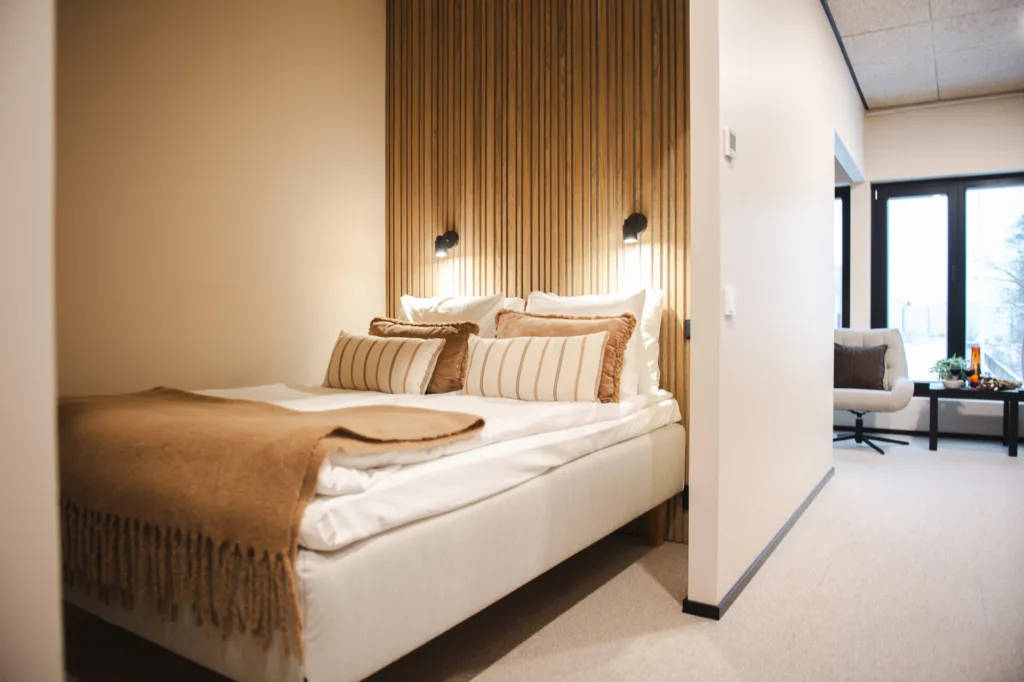
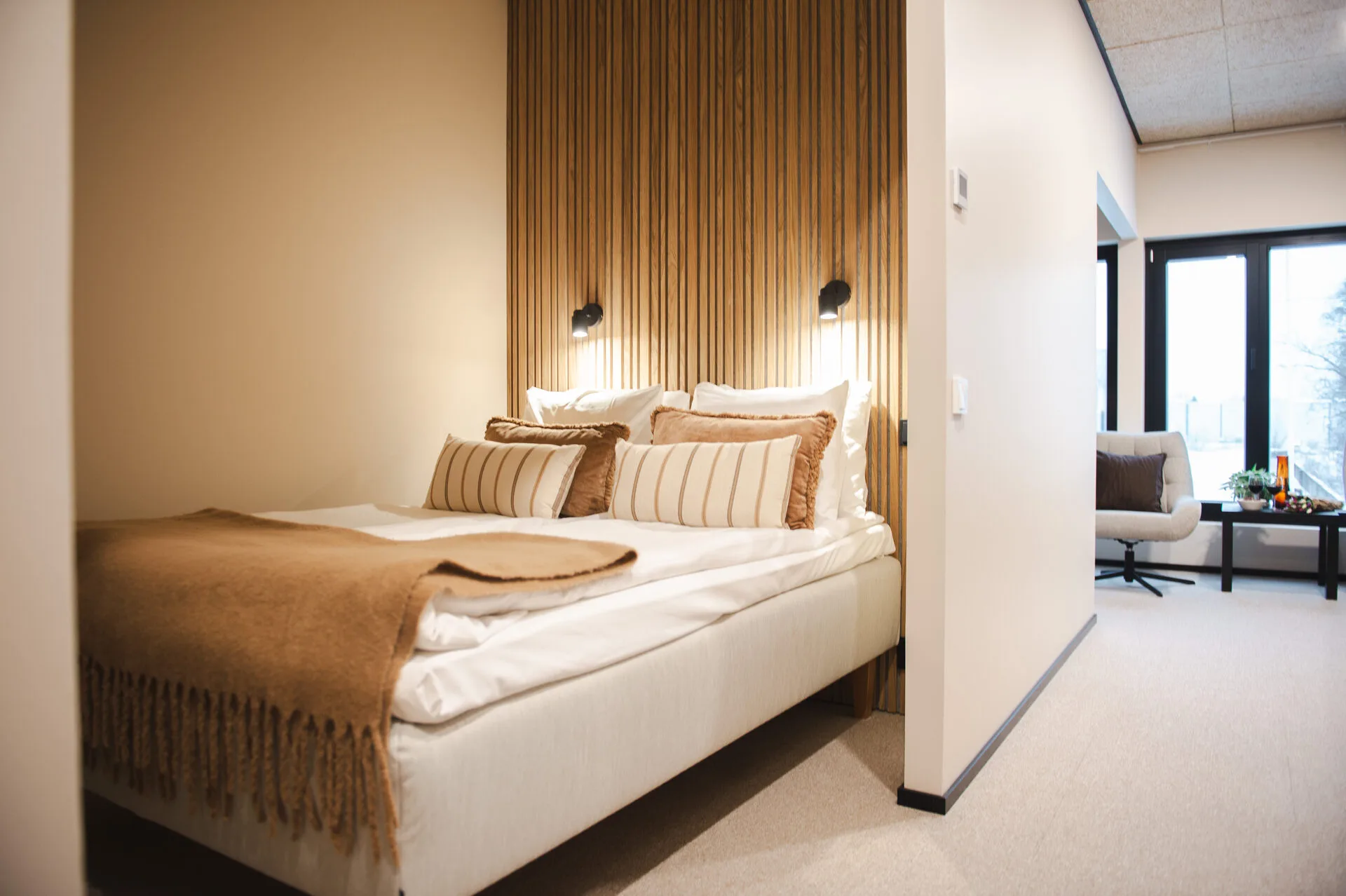
- Room design and sleep quality: A fitness hotel should support recovery, which means good beds, proper soundproofing, and clean air, not just a treadmill down the hall.
- Length of stay suitability: Some fitness hotels are optimised for short breaks; others, with kitchen access and flexible room configurations, work better for longer stays.
- Location: Proximity to local attractions matters, especially for leisure travellers. A fitness hotel near cultural or natural highlights lets you balance training with exploration.
When evaluating a Kokkola hotel for an active stay, look beyond the marketing language and check what the facilities actually include. A hotel that genuinely puts fitness at its core will make that clear in the specifics: the size of the gym, what is included in the rate, and how the rooms are designed to support rest and recovery.
Related Articles
- Why do soundproofing and air quality matter in hotel accommodation?
- Is a fitness hotel a good option for leisure travelers too?
- Why does gym access matter when booking a business hotel stay?
- What is an aparthotel and how does it differ from a traditional hotel?
- Can a fitness hotel accommodate a group of up to four guests per room?